

Your Faith Journey with EWTN
As we deepen our relationship with the Eternal Word, Jesus Christ, we grow in grace and are transformed by His love and mercy.

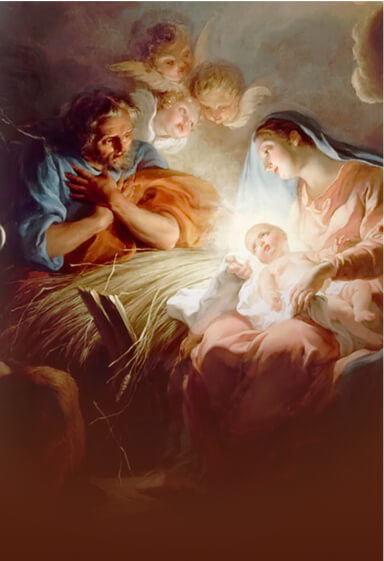
On January 1, the Church celebrates the Solemnity of Mary, Mother of God. This day closes the Octave of Christmas by honoring Mary’s unique role in the mystery of the Incarnation.
The Church’s teaching that Mary is the Mother of God was already present in Revelation and was part of doctrinal teaching before it was officially declared a dogma. The child Mary bore, Jesus Christ, is truly both divine and human. By acknowledging that Mary is the Mother of God, the Church safeguards both the divinity and humanity of Christ.
Mary is rightly called Mother of God, a title defended at the Council of Ephesus in 431 A.D. against the Christological error of Nestorianism. This heresy implied that Jesus could be divided into two persons—with Mary as the mother of Christ the Man, but not the mother of a Divine Person who became Man. The Council rejected this notion and declared Mary the Theotokos, or God-bearer.
Mary became the Mother of God’s only Son through the power of the Holy Spirit. But her maternal role was not passive. With the words, “I am the handmaid of the Lord; let it be to me according to your word” (Luke 1:38), she gave her consent—and God entered our world through her unconditional cooperation with His plan.
As we embark on a new year, may we entrust ourselves to Our Lady’s maternal care, asking for her intercession to lead us ever closer to her Son, Jesus Christ. May her maternal intercession accompany our pilgrimage of faith this year.
The term Theotokos (“God-bearer”) was contested because some, like Nestorius, argued that Mary gave birth only to the human nature of Christ, not the divine. This view would divide Christ into two persons. By declaring Mary as the Theotokos, the God-bearer, the Church affirmed that she gave birth to one Person, Jesus, who was fully God and fully man. This definition safeguarded orthodox belief in the Incarnation and the unity of Christ’s two natures.
In the early Church, Mary was referred to as Theotokos and Christotokos. Although they may sound the same, they indicate completely different meanings of who Jesus is. The title of Theotokos (“God-bearer”) views Jesus as one Person who is fully God and fully Man. In contrast, the title of Christotokos (“Birth-giver of Christ”), a heretical teaching promoted by Nestorius, indicates that Christ can be divided as part man and part God. Jesus was not a man in whom God resided; He was God Incarnate.
During the Solemnity of Mary, Mother of God, we are reminded that peace is central to the Church’s work of establishing the Kingdom of God on Earth. Through the centuries, the Church has worked to proclaim Truth, resolve heresies like Nestorianism, build communion, and unite God’s people under one Lord, Jesus Christ, and His Church. Our Lady is invoked as Queen of Peace, whose maternal intercession draws us closer to Christ, the Prince of Peace. Pope Paul VI established the World Day of Peace in 1967, which is also celebrated on January 1. The day is dedicated to universal peace, and each year the pope releases a message focused on building peace in the world.
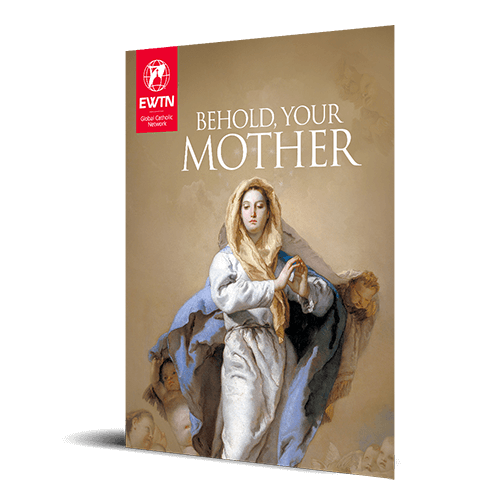
We hope this special eBook will draw you closer to our Blessed Mother and her Son, Jesus Christ. We trust that the pages will bring your heart under her mantle, as we share a few of the beautiful and befitting names bestowed upon the Blessed Virgin Mary.
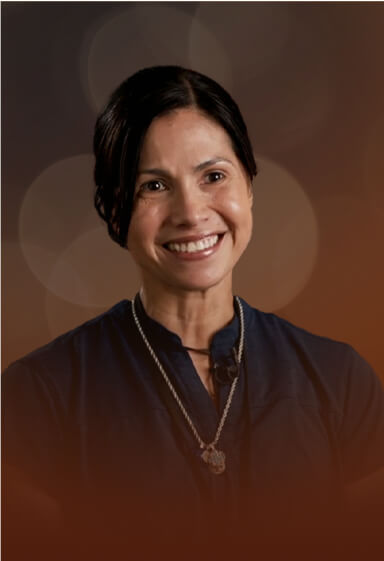
Fr. Chris discusses the effects of the phrase “Mary, Mother of God” and the heresies connected to denying this description of the Blessed Mother.
Be inspired to follow in the footsteps of the saints. Subscribe to receive the Daily Saint, featuring a brief biography delivered to your inbox each day.
Start now and let the intercession and witness of the saints draw you closer to God.

As we deepen our relationship with the Eternal Word, Jesus Christ, we grow in grace and are transformed by His love and mercy.
STEP 1
We’re here to serve you. Let us help you complete your gift with confidence.

Send a message to Mission Advancement.

Guidance for DAFs, stock, IRA, and more.

Manage your gifts and preferences.