

Your Faith Journey with EWTN
As we deepen our relationship with the Eternal Word, Jesus Christ, we grow in grace and are transformed by His love and mercy.
July 1, 1381–January 8, 1456
Patron Saint of Patriarchate of Venice

St. Lawrence Justinian, a fifth-century bishop, became the first Patriarch of Venice. Born into the noble Justinian family, he grew up amid privilege, wealth, and the social life of Venice. Yet, even as a youth, he felt drawn away from worldly attractions toward a life of prayer, humility, and service.
When he was about twenty, St. Lawrence joined a small community of men living under the rule of St. Augustine. He lived a life of self-denial, seeking holiness through poverty and simplicity. St. Lawrence’s example and leadership soon led to his appointment as the Prior General of the community. His writings reveal a profound love for Christ and spiritual guidance on living a humble and obedient life.
In 1433, Pope Eugene IV appointed St. Lawrence Bishop of Castello, which included the city of Venice. The diocese was in a state of vast disorder. He served with compassion, reforming clergy and aiding the sick and destitute. When the Patriarchate of Venice was created in 1451, he became its first Patriarch. St. Lawrence was recognized as a leader and a shepherd in a time of both political and spiritual renewal.
St. Lawrence died in Venice on January 8, 1456, after receiving the Eucharist and whispering, “I am coming, O my Jesus.” Pope Alexander VIII canonized him in 1690.
St. Lawrence worked to renew both clergy and laity by emphasizing holiness of life, frequent reception of the sacraments, spiritual guidance, and pastoral care. He believed reform began with conversion of the heart. He worked to restore churches, establish new parishes, and found new convents. He also enhanced the life of religious communities through his sermons and writings, which focused on asceticism and mystical contemplation.
St. Lawrence wrote about both pastoral and mystical topics, including On the Contempt of the World, which discusses detaching from worldly concerns, and On Monastic Discipline and Perfection, which reflects his deep insight into spiritual life and emphasizes humility and love. One of his most well-known and influential books was On the Fire of the Divine Love. St. Lawrence also left behind his writings about the soul’s union with God and an extensive collection of sermons and letters.
Before 1451, the City of Venice was located in the Diocese of Castello, led by St. Lawrence. The Patriarchate was in another diocese. But the Republic of Venice, growing in power and influence, exerted more control over both the local bishop and the Patriarch. When the Patriarch died, Pope Nicholas V moved the Patriarchate to Venice. St. Lawrence, as bishop of the diocese, became the first Patriarch of Venice.
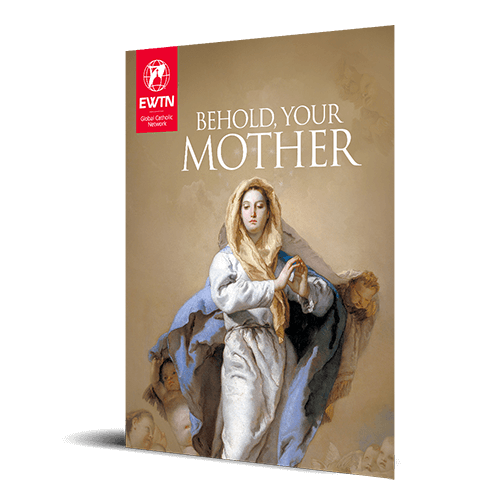
We hope this special eBook will draw you closer to our Blessed Mother and her Son, Jesus Christ. We trust that the pages will bring your heart under her mantle, as we share a few of the beautiful and befitting names bestowed upon the Blessed Virgin Mary.
Be inspired to follow in the footsteps of the saints. Subscribe to receive the Daily Saint, featuring a brief biography delivered to your inbox each day.
Start now and let the intercession and witness of the saints draw you closer to God.

As we deepen our relationship with the Eternal Word, Jesus Christ, we grow in grace and are transformed by His love and mercy.
STEP 1
We’re here to serve you. Let us help you complete your gift with confidence.

Send a message to Mission Advancement.

Guidance for DAFs, stock, IRA, and more.

Manage your gifts and preferences.